What's the difference between SEO and AEO?
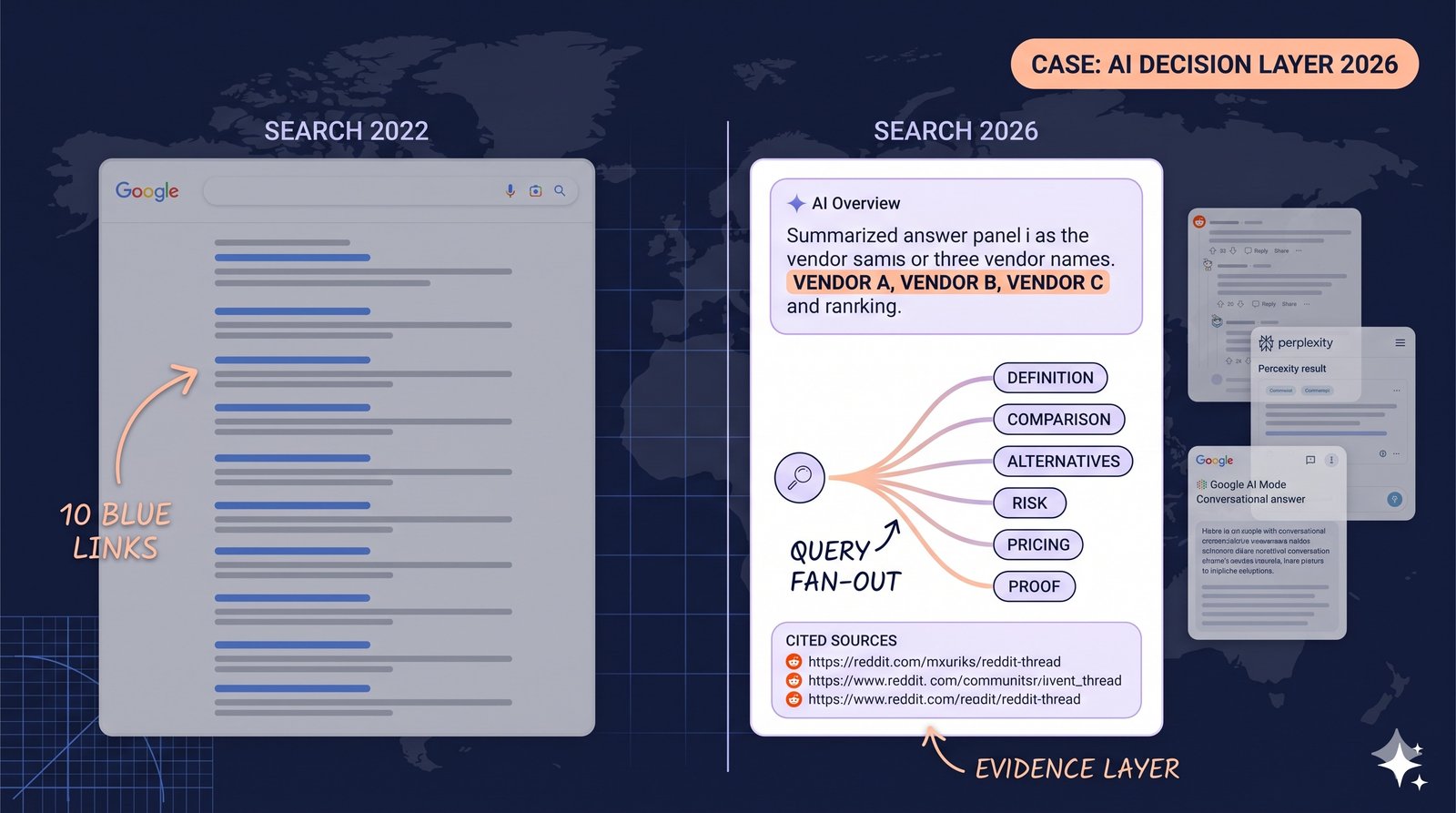
SEO is about ranking your own page in traditional search. AEO (Answer Engine Optimization, sometimes called GEO) is about being cited inside AI-generated answers from Perplexity, ChatGPT search, and Google AI Overviews. They overlap on signals like depth, authority and freshness, but differ on the output: SEO wants the click, AEO wants the citation. In 2026 most B2B and consumer buyers see the AEO layer first.
How do AI search engines decide which sources to cite?
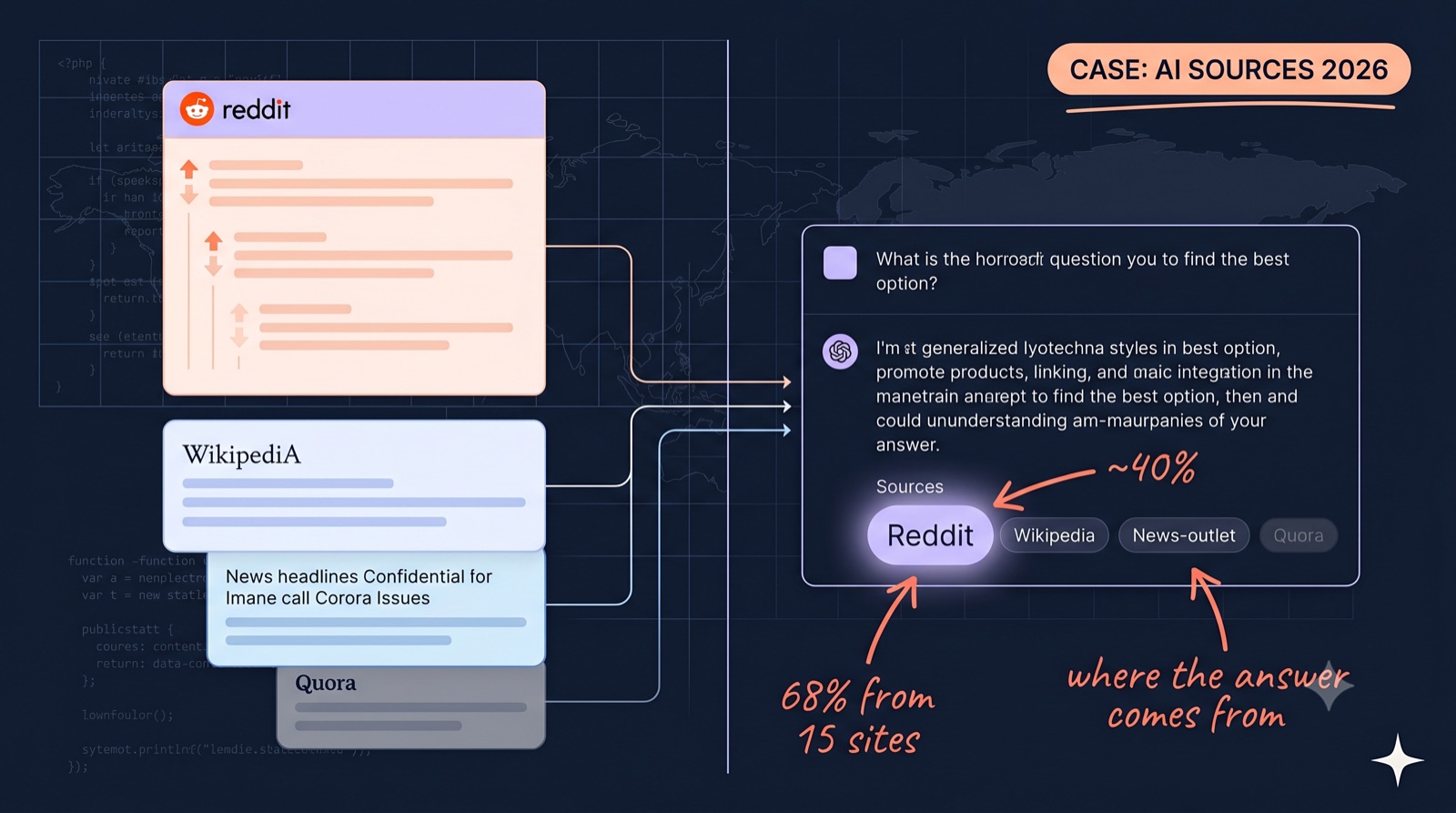
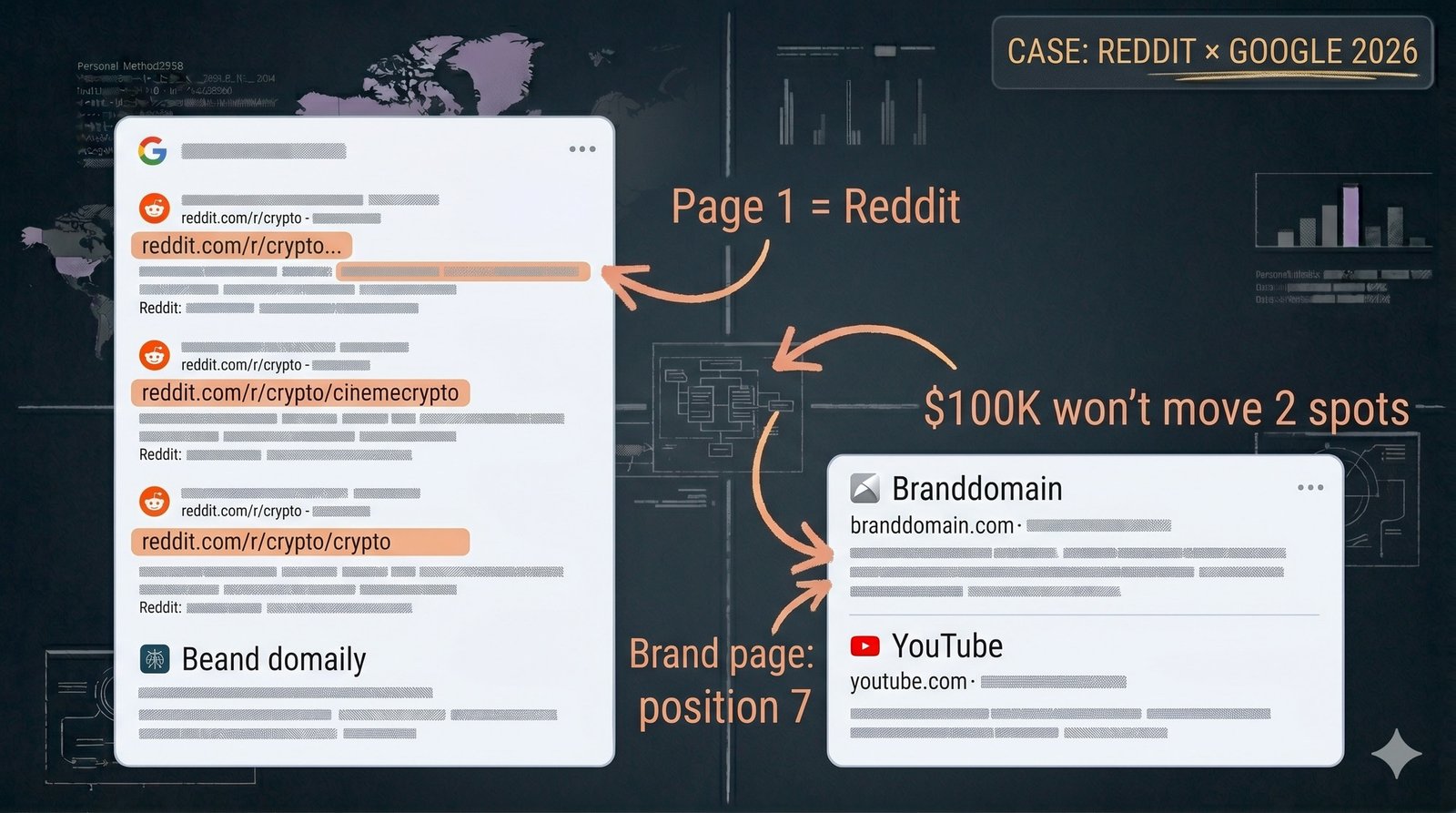
The engines weight conversational sources heavily: Reddit threads, Quora answers, niche forums, aged blogs. Brand-owned product pages rank lower because they are interest-conflicted by definition. Multi-source confirmation, freshness of comments on the thread, and depth of substance inside the source matter more than keyword density.
Can I pay for AI search visibility?
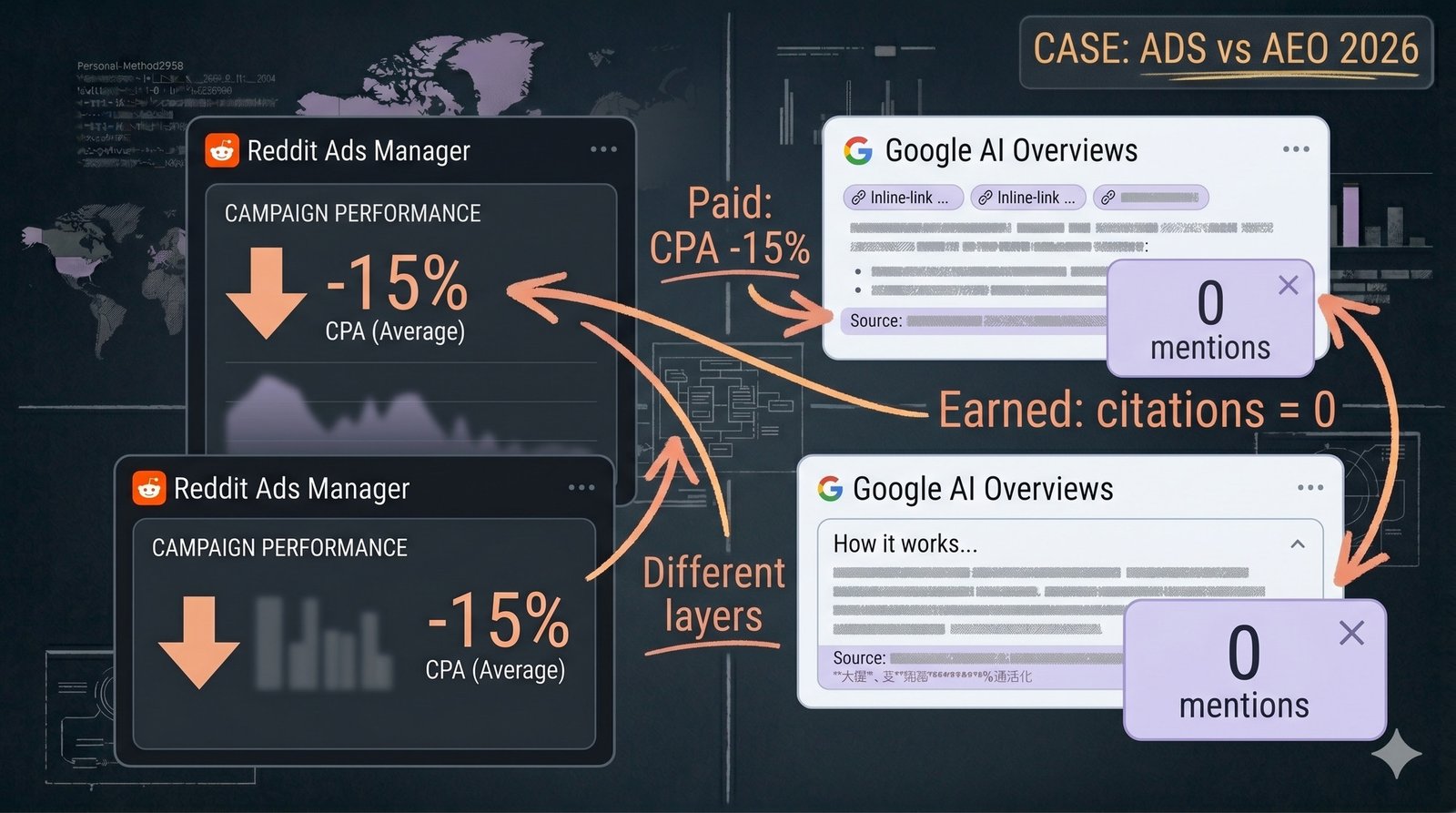
You can pay for sponsored placements inside ChatGPT (ChatGPT Ads) or alongside Perplexity answers, but those are clearly labelled and do not influence the cited sources. To appear inside the answer itself, you need presence inside the conversational sources the engine pulls from. Paid placement and organic citation are two different surfaces, and most brands need both.
How long does it take to start being cited by Perplexity?
For categories with existing canonical Reddit or Quora threads, 30 to 60 days to start appearing if you operate inside the right threads with credibility. For categories without dominant threads, the first credible long-form answer published in that gap usually starts getting cited within 60 to 90 days. Faster than traditional SEO, slower than paid search.
Which GEO dashboard should I use?
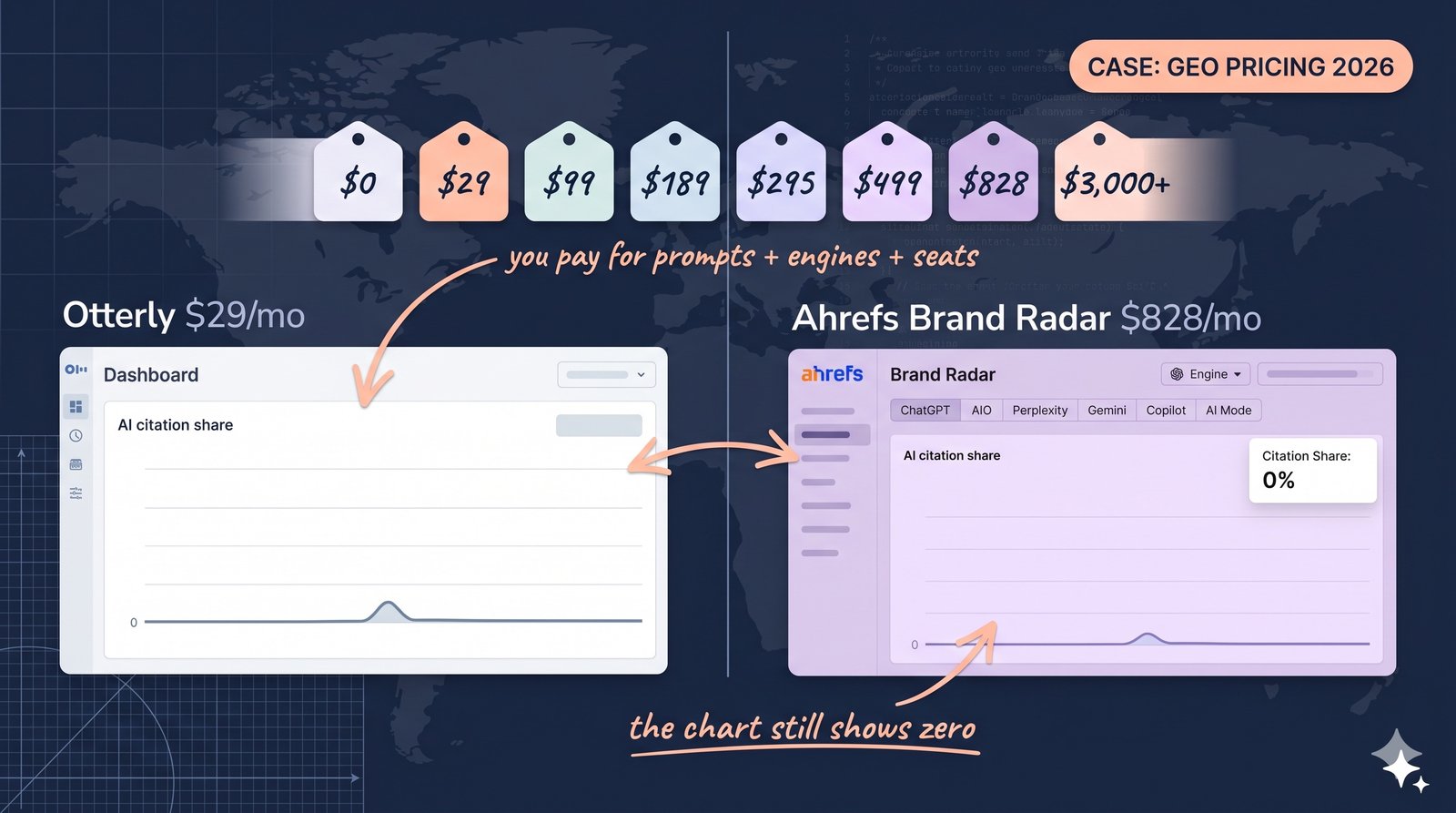
Profound and Otterly cover the basics. AthenaHQ is strongest for multi-client agency setups. Peec AI has the best competitive benchmarks. Semrush AI Toolkit is good enough if you already pay for Semrush. All of them do similar things (monitor citation share) and none of them get you cited. The work that produces citations happens at the source level, not the dashboard level.